

About
Hello! I’m a Ph.D. candidate in Electrical Engineering at Purdue University, advised by Dr. Charles A. Bouman and Dr. Gregery T. Buzzard. I have 8+ years of experience in computational imaging, inverse problems, and machine learning, with multiple awards at top international conferences. My current research focuses on developing physics-informed AI algorithms for hyperspectral neutron imaging at Oak Ridge National Laboratory. Prior to Purdue, I worked at Microsoft developing next-generation camera ISP pipelines and at UNAR Labs creating computer vision solutions for assistive technologies.
Areas of Expertise
Education
-
Ph.D. in Electrical Engineering
 Purdue University, West Lafayette, Indiana, USA | May 2026
Advisors: Dr. Charles A. Bouman & Dr. Gregery T. Buzzard
Purdue University, West Lafayette, Indiana, USA | May 2026
Advisors: Dr. Charles A. Bouman & Dr. Gregery T. Buzzard -
M.S. in Electrical Engineering
 Arizona State University, Tempe, Arizona, USA | Dec 2019
Advisor: Dr. Daniel W. Bliss
Arizona State University, Tempe, Arizona, USA | Dec 2019
Advisor: Dr. Daniel W. Bliss -
B.S. in Electrical Engineering
 Bangladesh University of Engineering and Technology, Bangladesh | May 2016
Programming Languages
 Python
 MATLAB
 C
C
 C++
C++
ML & CV Libraries
 PyTorch
 TensorFlow
 Scikit-learn
 OpenCV
Software Dev. Contributions
 MBIRJAX
 GMCluster
 SVMBIR
 BEST
BEST
Awards
-
- Best Student Paper Award
IEEE ICIP 2023
"Autonomous Polycrystalline Material Decomposition for Hyperspectral Neutron Tomography" - Best Student Paper Award
-
- Best Presentation Award
WCNR 2024

"Fast Hyperspectral Reconstruction for Neutron Computed Tomography Using Subspace Extraction" - Best Presentation Award
-
- Top 3% Paper Recognition
IEEE ICASSP 2023

"An Edge Alignment-Based Orientation Selection Method for Neutron Tomography" - Top 3% Paper Recognition
Experience
-
Research Assistant
Purdue University, West Lafayette, Indiana, USA | May 2021 – Present
- Developed physics-informed AI algorithms for hyperspectral neutron imaging at Oak Ridge National Laboratory.
- Built a scalable Python package for fast 4D hyperspectral denoising, reconstruction, and material decomposition.
- Designed a robust Python package for accurate strain tensor estimation from neutron Bragg edge measurements.
-
Teaching Assistant
Purdue University, West Lafayette, Indiana, USA | Jan 2021 – May 2021
- Led Python-based lab sessions for Digital Signal Processing with Applications.
-
Image Quality Engineer
 Microsoft Corporation, Redmond, Washington, USA | Jul 2020 – Dec 2020
- Developed camera ISP pipelines for Surface devices, optimized for diverse lighting conditions.
- Designed algorithms for 3A (auto exposure, white balance, focus), low-light noise reduction, and color correction.
- Developed AI models for skin-tone correction, local gamma refinement, and overexposed sky reconstruction.
- Analyzed RAW sensor data, tuned color parameters, and collaborated with color science teams to optimize pipeline.
-
AI/ML Research Intern
 UNAR Labs, Portland, Maine, USA | Summer 2020
- Designed AI algorithms to convert scientific documents into accessible formats for visually impaired users.
- Implemented real-time image analysis, optical character recognition (OCR), and pattern recognition techniques.
-
Teaching Assistant
Arizona State University, Tempe, Arizona, USA | Aug 2018 – May 2019
- Conducted MATLAB and GNU Radio-based lab sessions for Communication Systems.
Research
-
Fast Unsupervised Machine Learning Algorithms for Hyperspectral Neutron Imaging
Purdue University & Oak Ridge National LaboratoryNeutron imaging is a non-destructive technique for analyzing the internal structure of a sample and provides information complementary to X-ray imaging. Hyperspectral neutron imaging extends this capability by capturing hundreds to thousands of wavelength-resolved neutron radiographs, enabling detailed spectral characterization of the sample’s constituent materials. However, due to their massive size and extremely low signal-to-noise ratios (SNR), hyperspectral neutron datasets are exceptionally difficult and time-consuming to analyze.
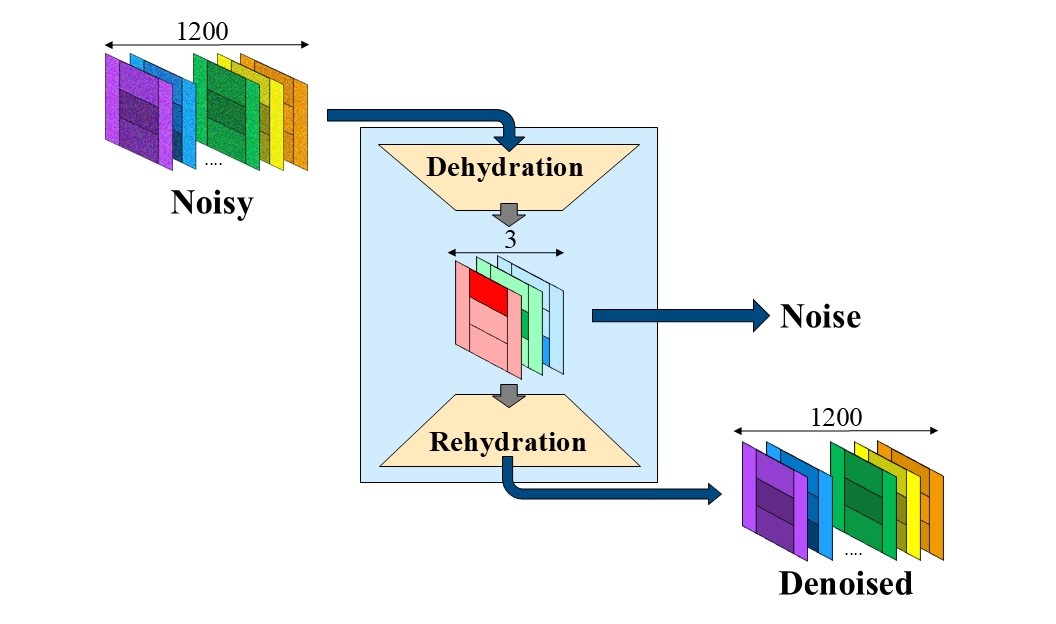
We developed a family of three fast algorithms that dramatically improve hyperspectral neutron data processing and analysis. All three are unified under a dehydration–rehydration framework: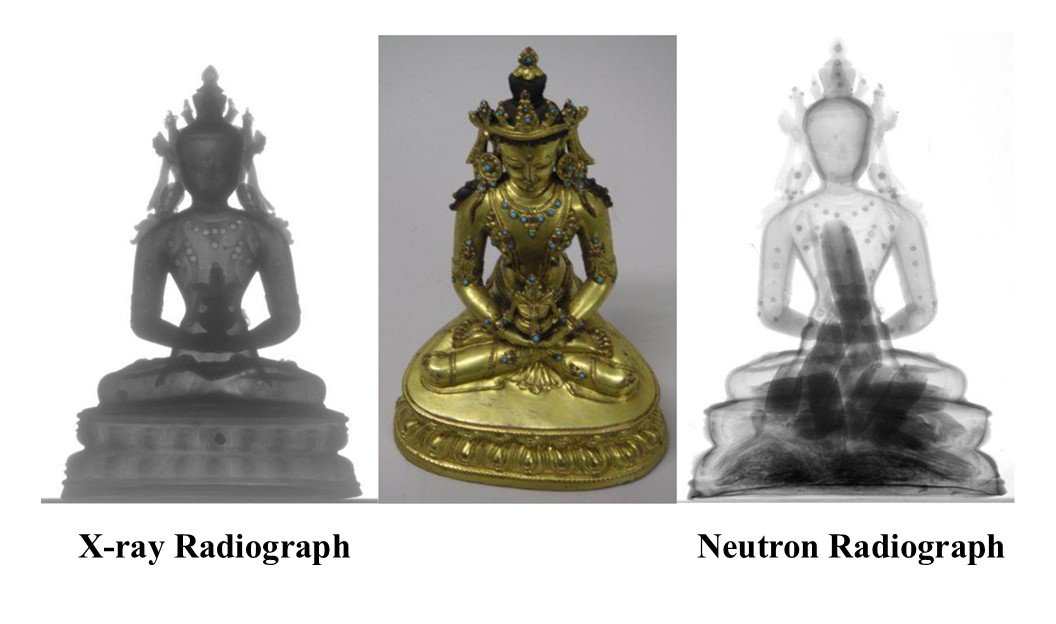
X-ray Vs. Neutron Imaging 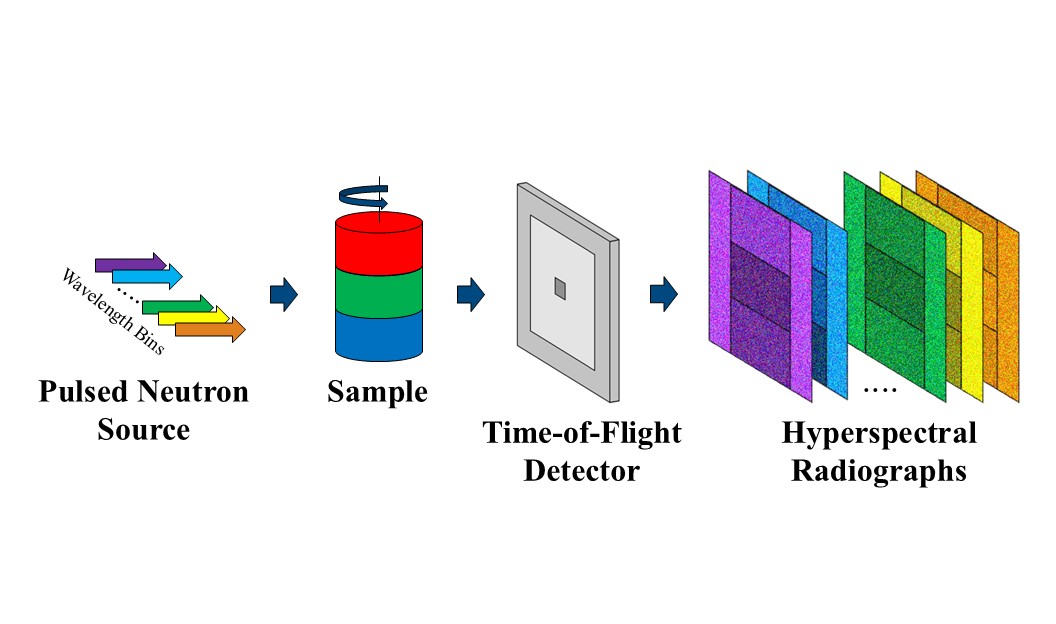
Hyperspectral Neutron Data Collection
- Dehydration: Performs unsupervised machine learning–based dimensionality reduction, representing large hyperspectral datasets in a compact subspace—no prior training required.
- Rehydration: Restores data from the subspace to the hyperspectral domain, preserving both structural and spectral fidelity.
- Fast Hyperspectral Denoising (FHD): Achieves over 30 dB SNR improvement while preserving spectral and spatial details. Sequential dehydration and rehydration suppress spectral noise during subspace fitting and restore clean, high-SNR hyperspectral data.
- Fast Hyperspectral Reconstruction (FHR): Performs over 1,000 3D reconstructions in under an hour—more than 10× faster than traditional approaches—while reducing noise and improving image quality. Sequential dehydration, tomographic reconstruction, and rehydration enable this speed and fidelity. This work received the Best Presentation Award at the 12th World Conference on Neutron Radiography (WCNR), 2024 [paper].
- Fast Material Decomposition (FMD): Provides 10× faster volumetric material separation and 25+ dB SNR improvement through sequential implementation of dehydration, tomographic reconstruction, and subspace-to-material transformation. An earlier version earned the Best Student Paper Award at the IEEE International Conference on Image Processing (ICIP), 2023 [paper], and the extended version was published in IEEE Transactions on Computational Imaging (2025) [paper].
FHD Algorithm 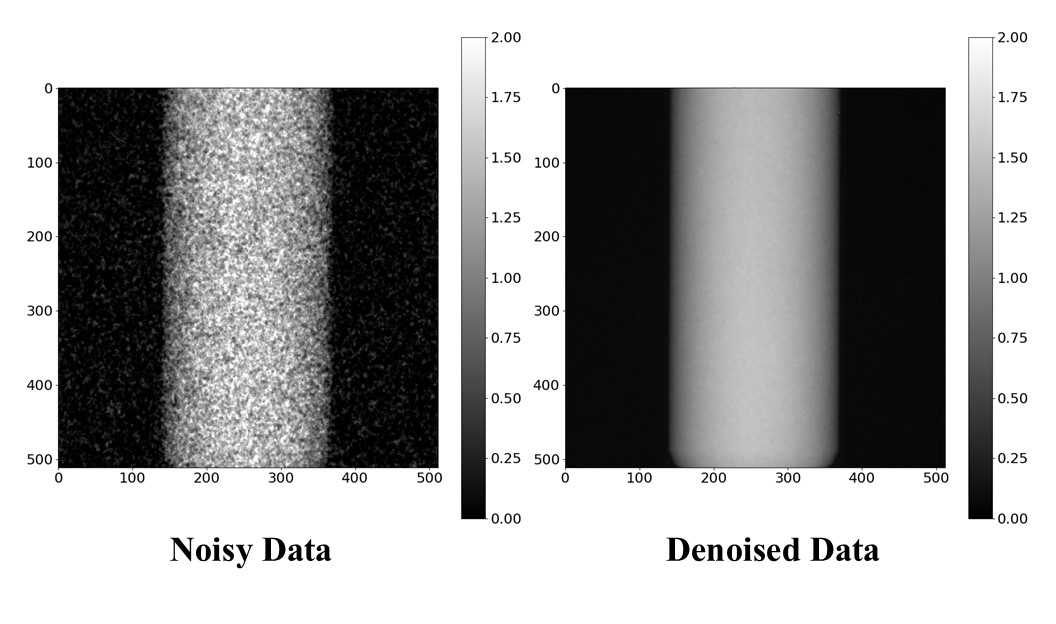
Noisy Vs. Denoised: Spatial 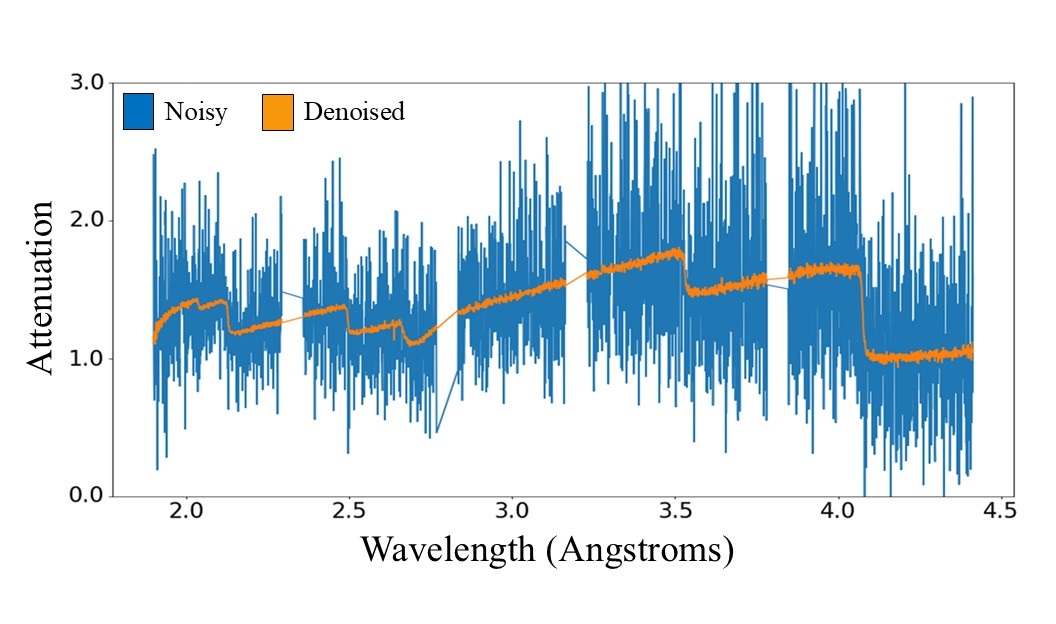
Noisy Vs. Denoised: Spectral 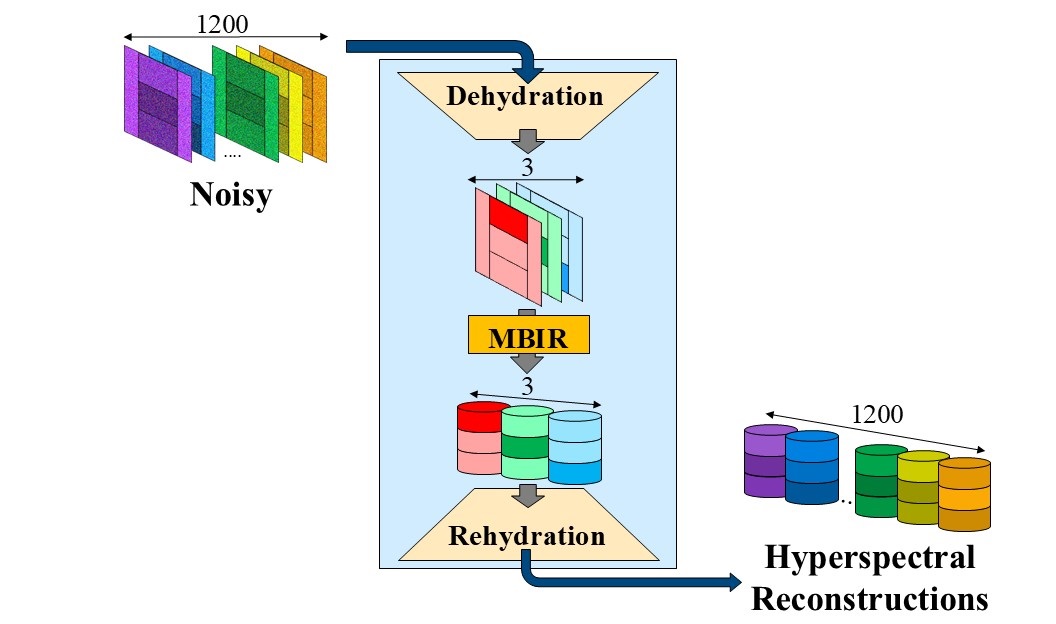
FHR Algorithm 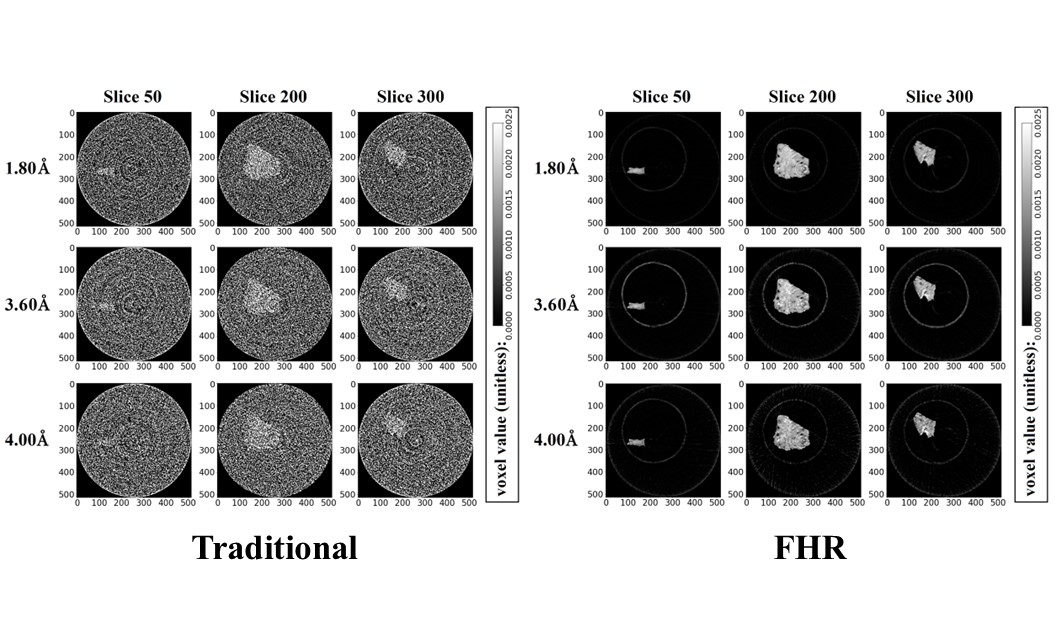
Traditional Reconstruction Vs. FHR 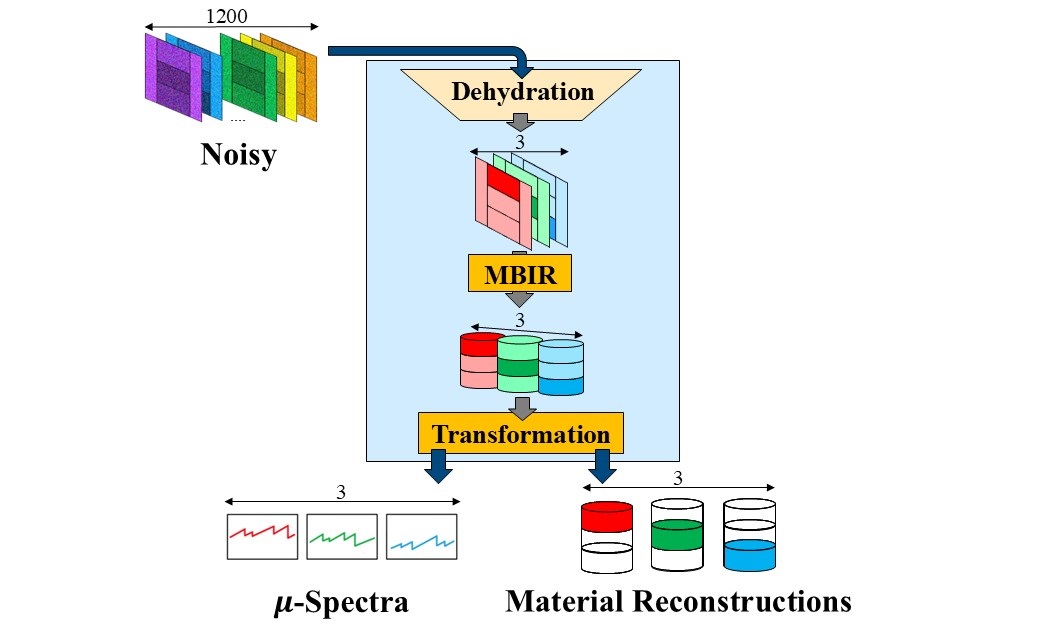
FMD Algorithm 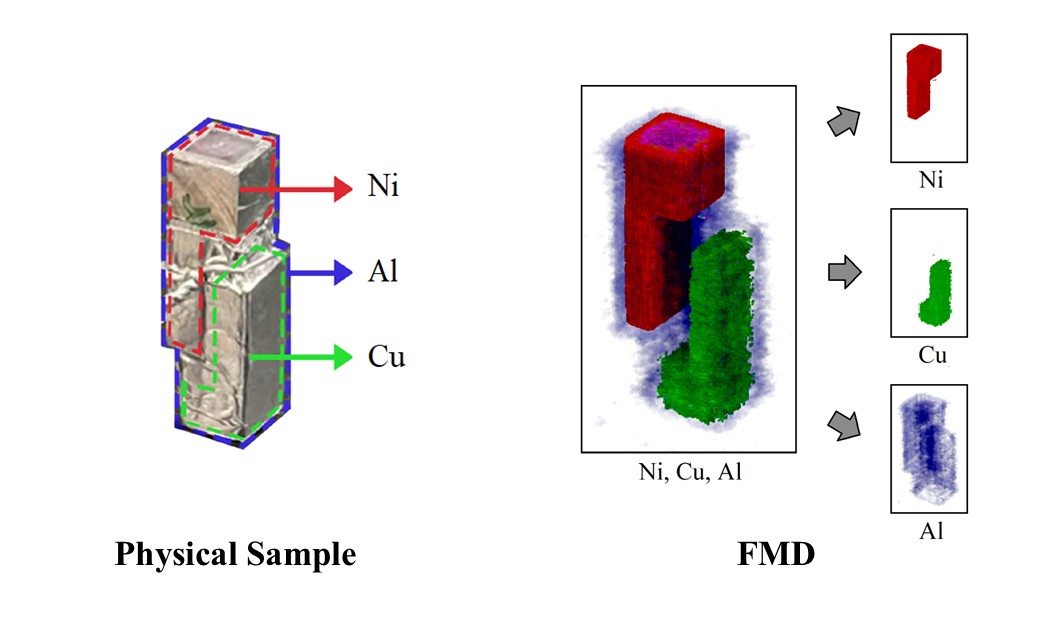
FMD Material Separation 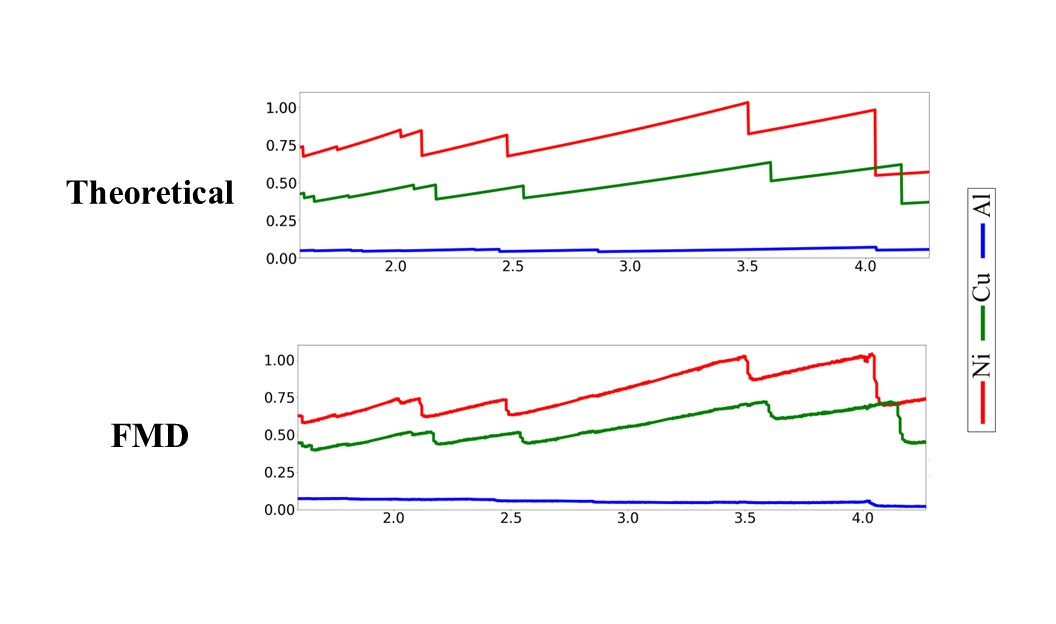
FMD Spectra Estimation -
Physics-Constrained Strain Tensor Reconstruction from Neutron Bragg Edge Data
Purdue University & Oak Ridge National LaboratoryStrain tensors are fundamental for assessing a component’s structural integrity—including its strength, durability, and long-term reliability. Neutron Bragg edge strain tomography is a non-destructive technique that reconstructs these tensors by analyzing strain sinograms derived from Bragg-edge measurements. However, the inverse problem associated with the reconstruction is severely ill-posed, as at each position, one must recover a tensor (with 3 components in 2D or 6 in 3D) from only a single scalar measurement.
To address this challenge, we developed two novel algorithms for reconstructing 2D strain tensors, achieving over 99% accuracy by enforcing physics-based constraints. The algorithms are: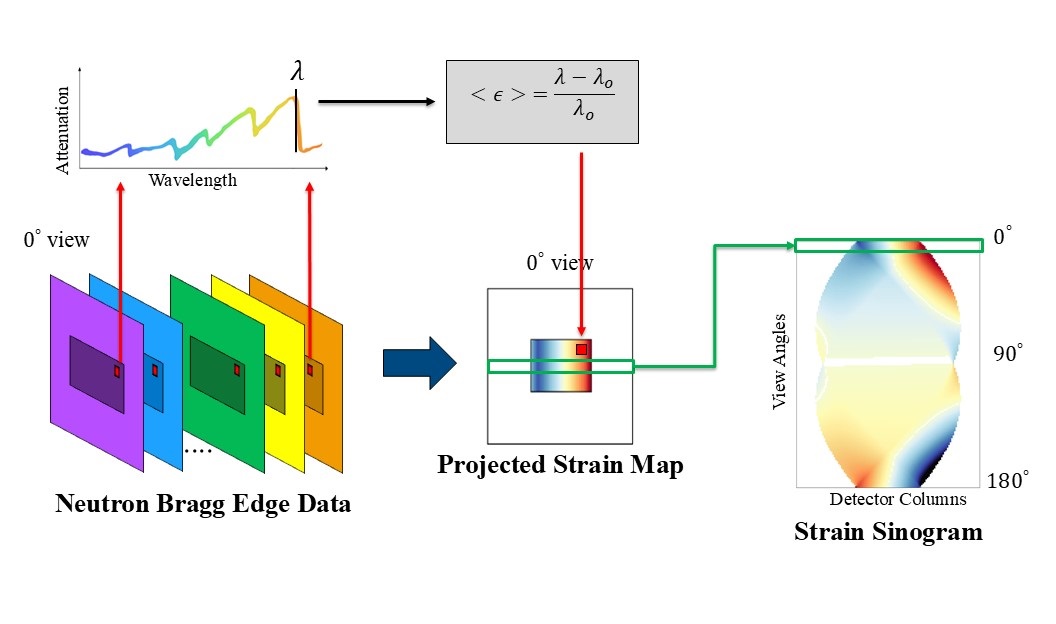
Strain Sinogram Generation
- MACE Model: A Multi-Agent Consensus Equilibrium (MACE) framework that integrates a sinogram-domain forward model, Model-Based Iterative Reconstruction (MBIR), and physics-based constraints to iteratively recover accurate 2D strain tensors. We call this algorithm Model-Oriented Neutron Strain Tomographic Reconstruction (MONSTR). This work was presented at the IEEE International Conference on Image Processing (ICIP), 2025 [paper].
- GAN Model: A generative adversarial network (GAN) where the generator reconstructs 2D strain tensors and the discriminator enforces structural realism guided by physics-based constraints. We plan to present this work at an upcoming conference.
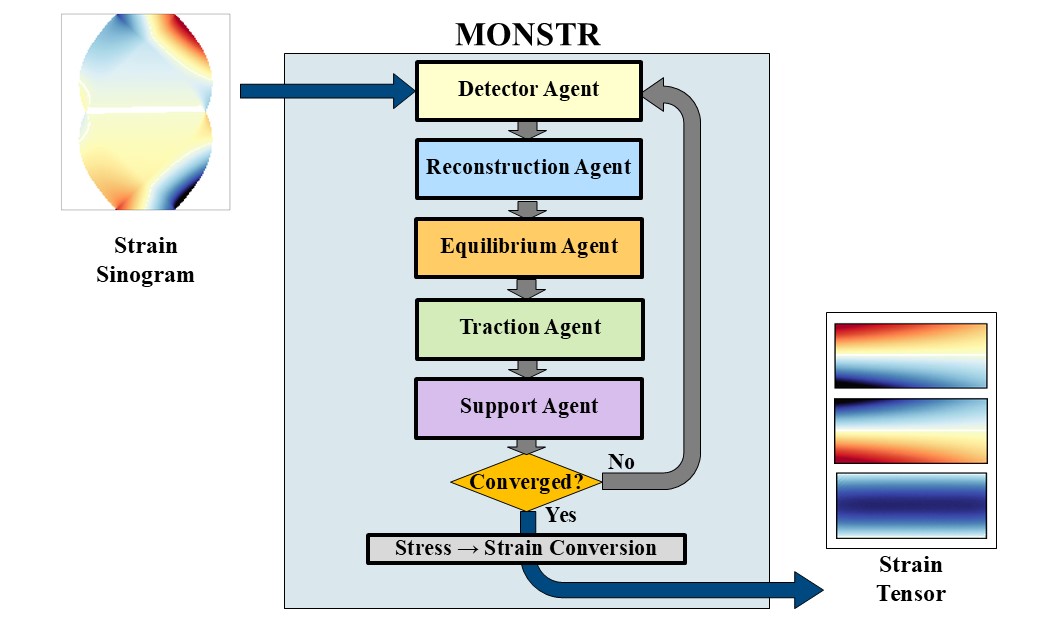
MONSTR Algorithm 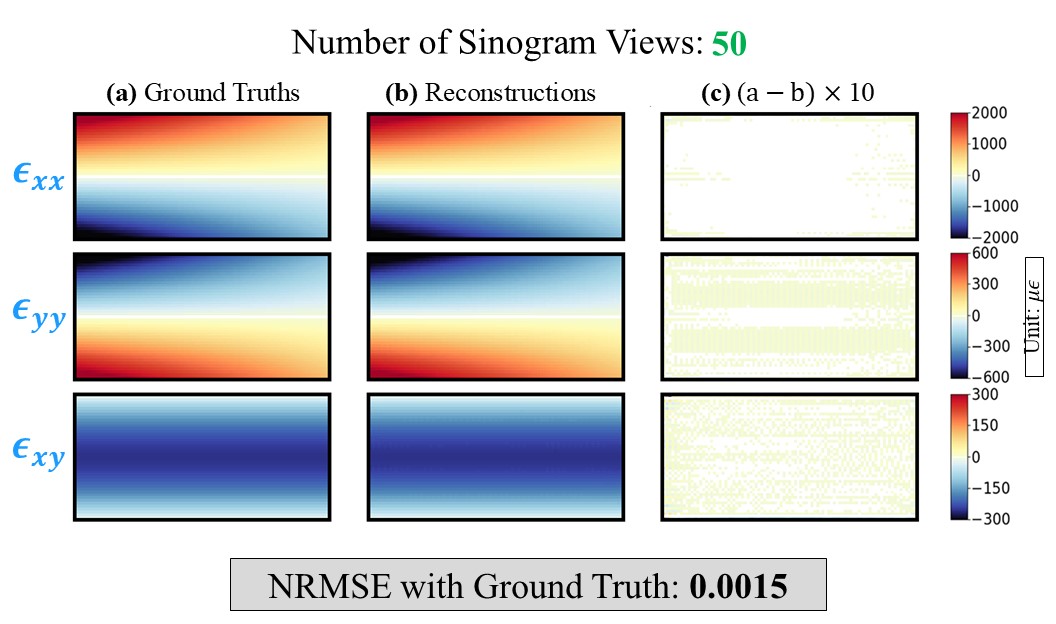
Simulated Data Results 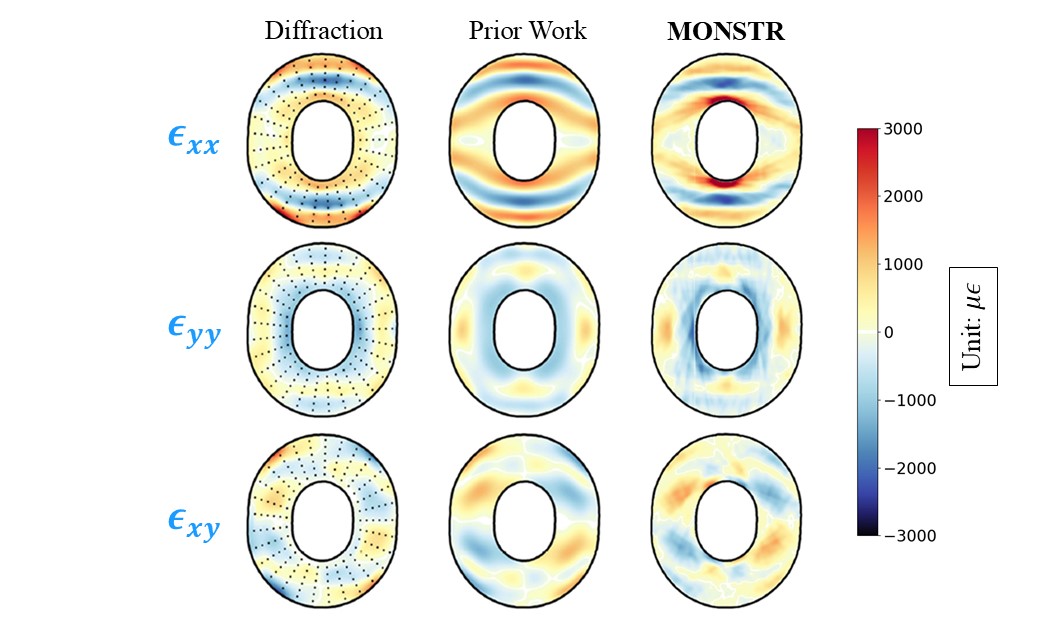
Measured Data Results 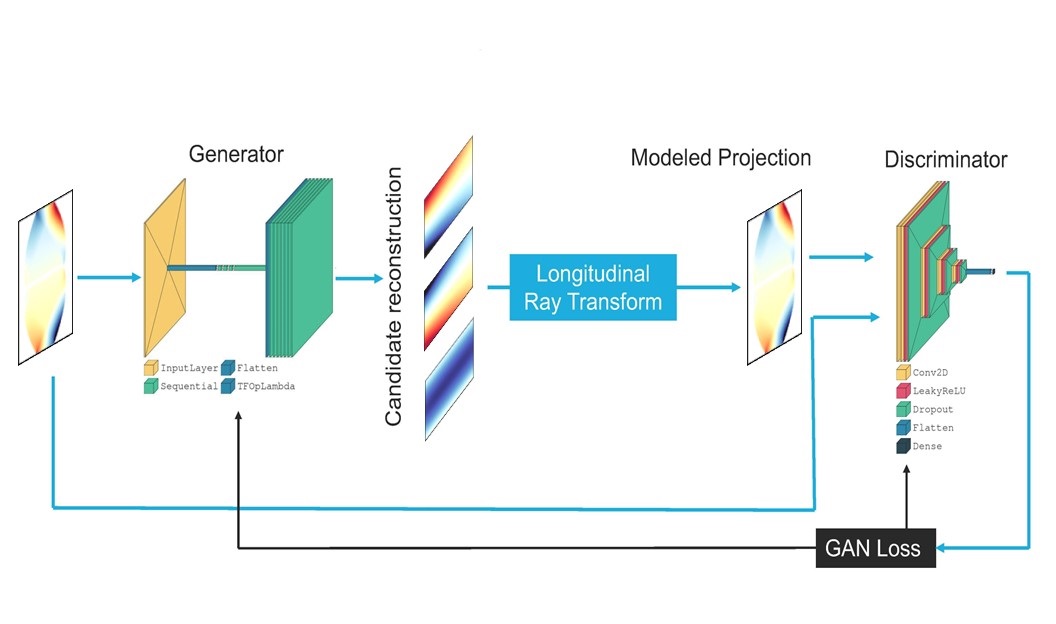
GAN-Based Algorithm -
Intelligent Data Acquisition for Hyperspectral Neutron CT
Purdue University & Oak Ridge National LaboratoryData acquisition for hyperspectral neutron CT requires substantial time and resources at the beamline. Since beamline time is both limited and highly valuable, it is essential to maximize the information gained from each experiment while minimizing resource consumption. Achieving this goal necessitates intelligent and autonomous data acquisition strategies.
To address this, we developed AI-powered methods to optimize hyperspectral neutron CT data acquisition, helping to conserve valuable beamline time and resources:
- Adaptive Orientation Selection: Optimizes sample orientation selection based on edge alignment, reducing the number of measurements required for high-quality reconstructions. When applied to simulated and measured data, it significantly outperformed traditional golden-ratio-based view selection. This work received the Top 3% Contribution Award at the IEEE International Conference on Acoustics, Speech, and Signal Processing (ICASSP), 2023 [paper].
- Machine Learning Decision Criterion: Reduced hyperspectral data collection time by 5× at ORNL by combining advanced reconstruction algorithms with a machine learning–based protocol that terminates experiments once sufficient information is acquired. This work was published in Scientific Reports by Nature (2024) [paper].
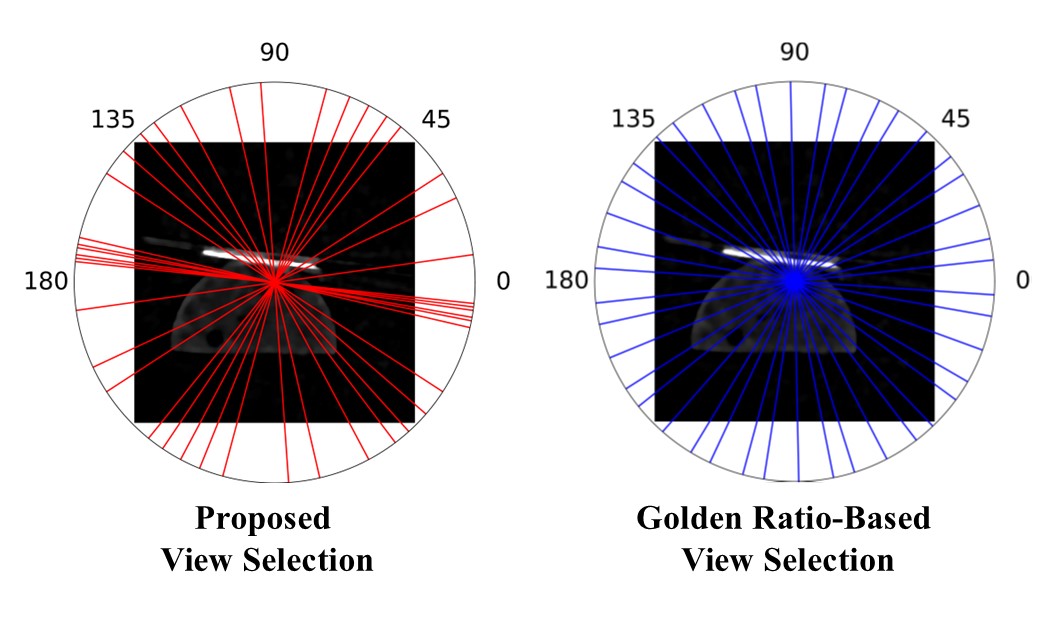
Proposed Vs. Golden Ratio-Based View Selection 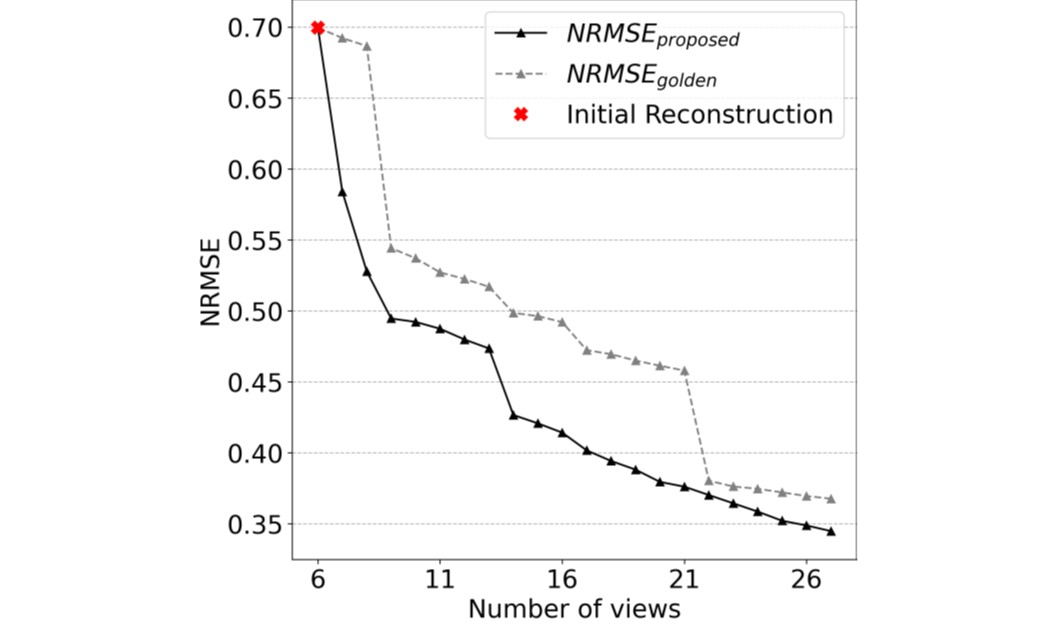
Normalized Root Mean Square Error (NRMSE) Between Reconstruction and Ground Truth 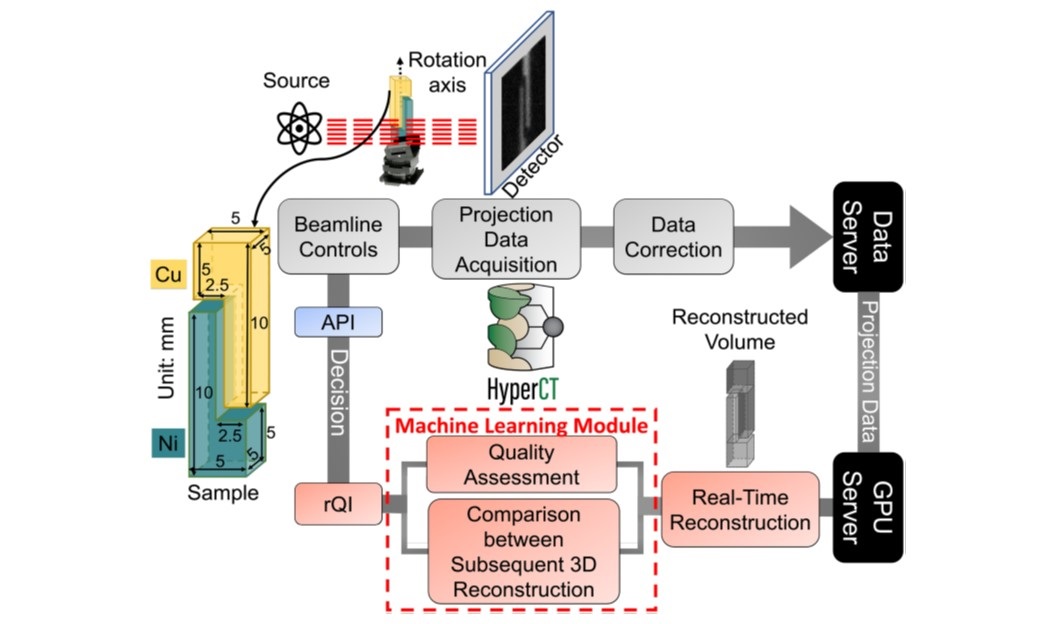
ORNL HyperCT Workflow -
Fast Large-Scale Model-Based Iterative Reconstruction (MBIR) Using Vision Transformer
Purdue University & Oak Ridge National Laboratory-
With increasing detector sizes, the amount of data for CT reconstruction is also growing. While Model-Based
Iterative Reconstruction (MBIR) produces high-quality results, it becomes extremely time-consuming for large-scale
datasets. To achieve fast and reliable reconstructions, we proposed the following pipeline:
1. Downsample projection/sinogram data.
2. Perform MBIR on the downsampled data.
3. Upsample the reconstruction using a Transformer-based super-resolution network (SwinIR).
4. Refine the reconstruction with a few iterations of MBIR on the original data.
This framework achieved close to 3x faster reconstruction while maintaining high-quality results.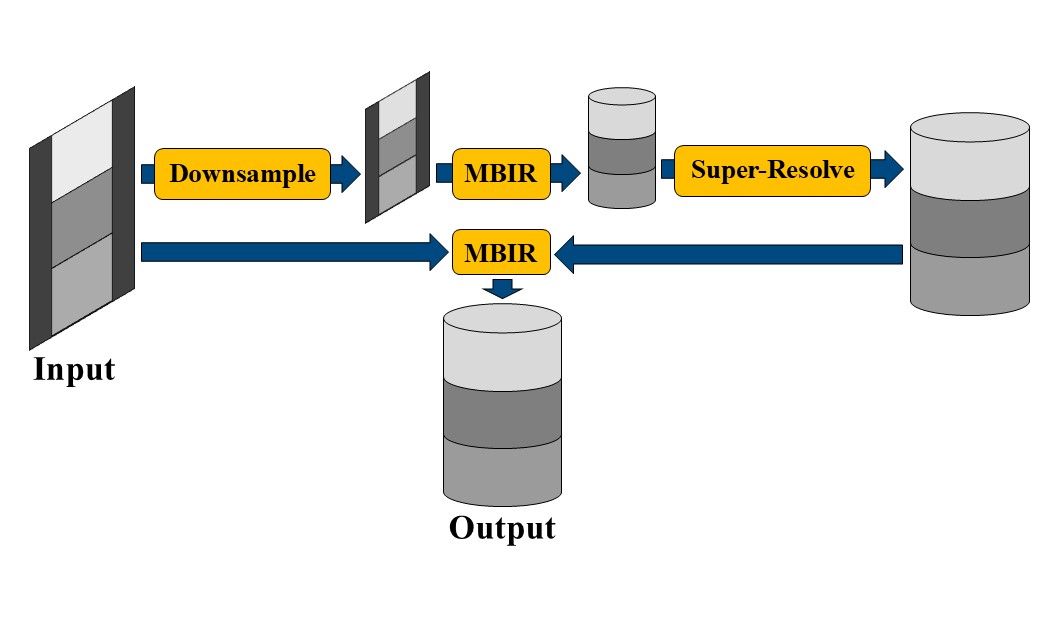
Reconstruction Pipeline 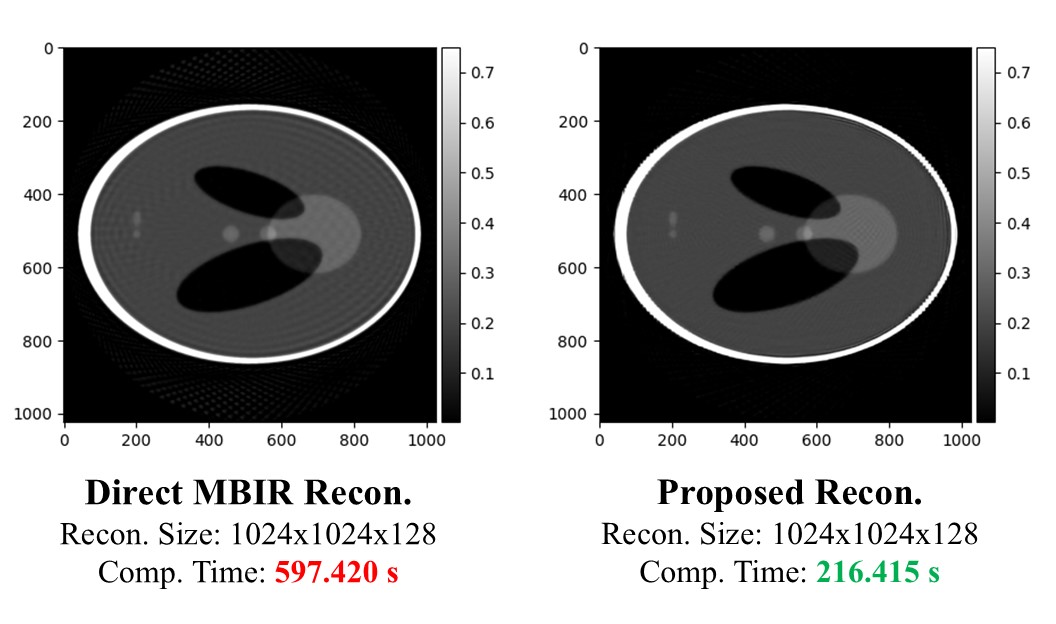
Direct MBIR Vs. Proposed Recon. -
Plug-and-Play Framework with a Diffusion Prior for High-Quality Reconstruction
Purdue University & Oak Ridge National Laboratory-
We developed a plug-and-play CT reconstruction framework that integrates the standard forward model with a
diffusion-based prior (DiffUNet). This approach improved reconstruction SNR by over 15 dB compared to traditional
method.
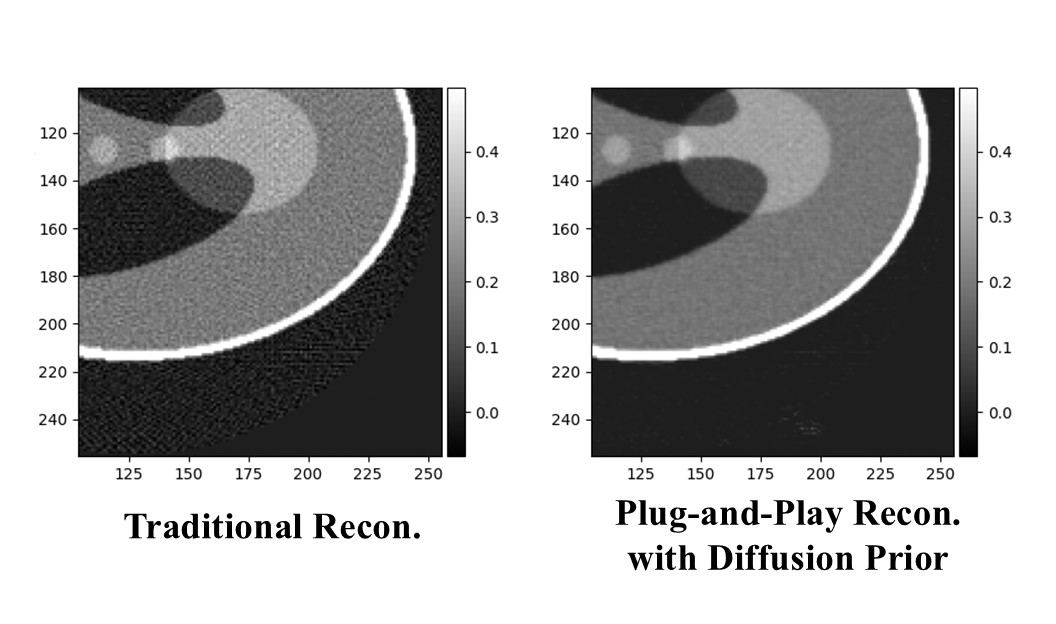
Traditional Vs. Diffusion-based PnP Recon. -
Multi-Pose Fusion for Material Decomposition in Hyperspectral Neutron Tomography
Purdue University & Oak Ridge National LaboratoryWe previously proposed a fast material decomposition algorithm capable of volumetrically separating materials in a sample using hyperspectral neutron CT data from a single pose. However, for objects with complex geometries or heterogeneous compositions, relying on a single-pose dataset can lead to inaccurate material decomposition.
To overcome this limitation, we developed a multi-pose fusion algorithm that integrates data acquired from multiple sample poses—i.e., distinct tilt configurations—within a Multi-Agent Consensus Equilibrium (MACE) framework, enabling highly accurate and robust material decomposition. This work was presented at the Asilomar Conference on Signals, Systems, and Computers, 2024 [paper].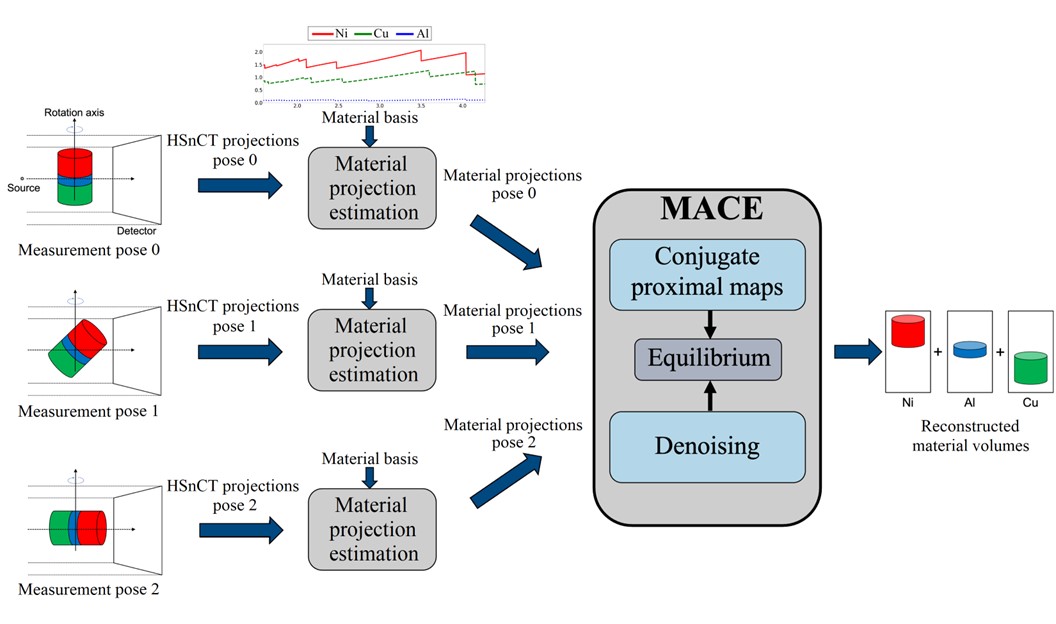
Multi-Pose Fusion Algorithm 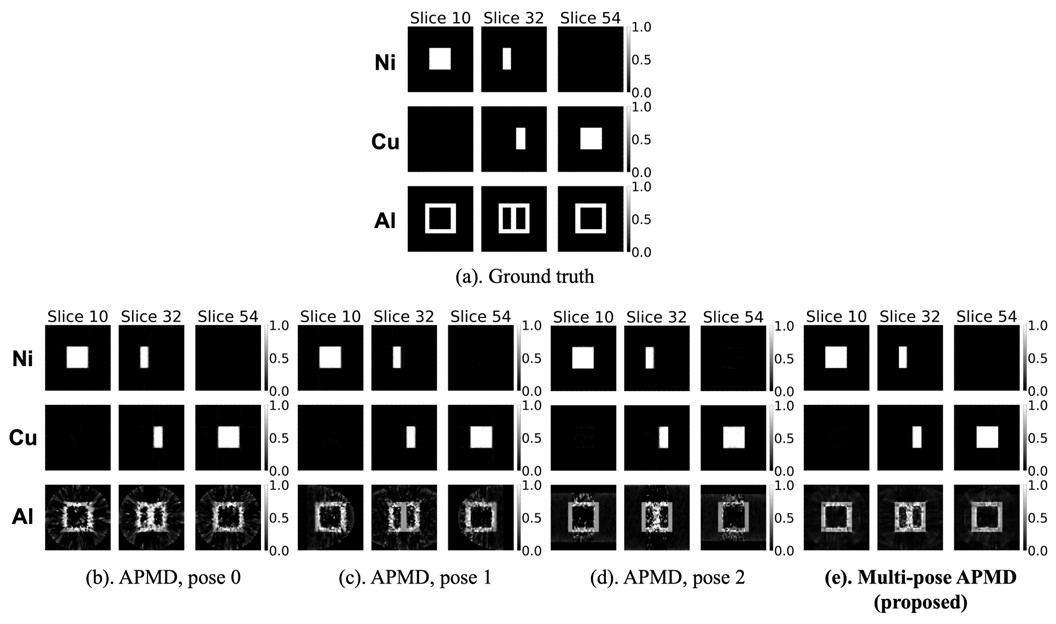
Multi-Pose Fusion Results -
AI-Enhanced Sparse-View Reconstruction for ToF Neutron Imaging
Purdue University & Oak Ridge National LaboratorySince hyperspectral neutron data collection is extremely time-consuming, it is often impractical to acquire measurements from a wide range of views for full tomographic reconstruction. However, sparse-view reconstructions produced by traditional methods typically suffer from severe artifacts and loss of detail.
To address this limitation, we proposed a hybrid reconstruction framework that first computes a low-quality sparse-view reconstruction and then enhances it using a deep neural network trained on pairs of low-quality and high-quality reconstructions of the same samples. This hybrid method yields significantly improved reconstructions over conventional sparse-view techniques. The work was presented at the 12th World Conference on Neutron Radiography (WCNR), 2024 [paper].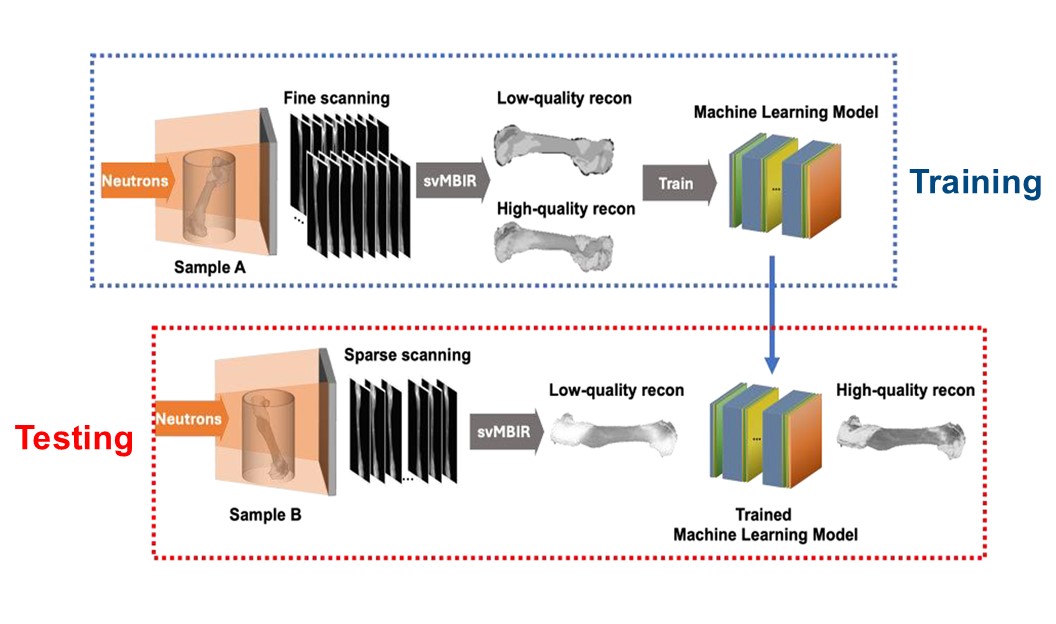
Proposed Algorithm 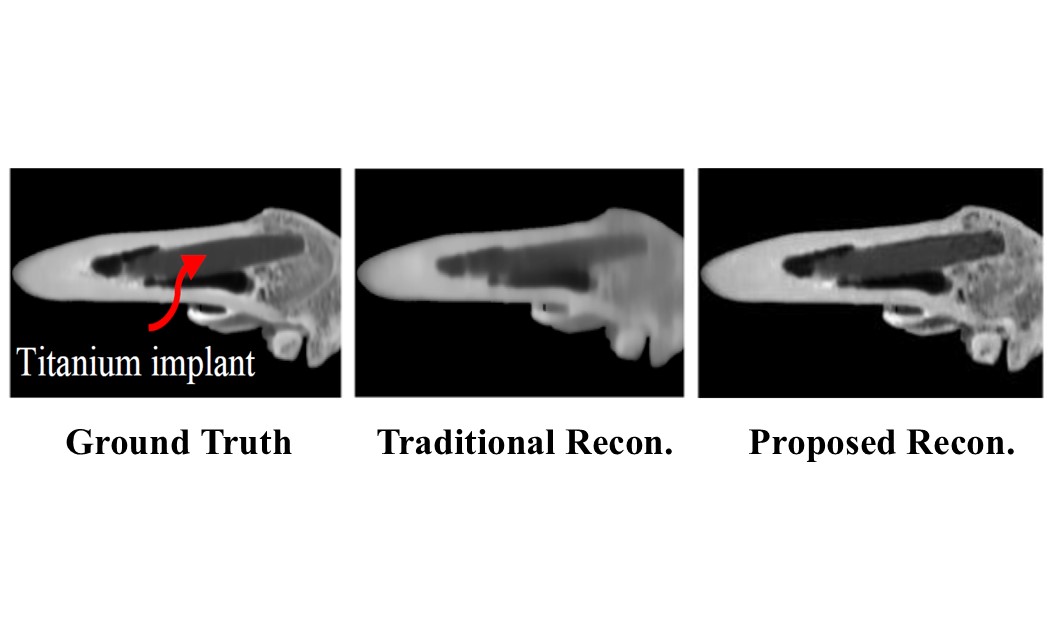
Reconstruction Results -
Reaction Time Estimation from Multi-Channel EEG
Arizona State UniversityHuman behavioral responses during perceptual decision-making are closely related to the brain’s electrical activity, as measured by electroencephalograms (EEG). Accurately modeling this relationship and predicting human responses directly from EEG offers powerful opportunities in psychology, clinical neuroscience, and brain–computer interface (BCI) development.
We developed a series of machine learning and deep learning algorithms to predict human response times from multi-channel EEG signals:
- ML Models: Implemented multiple machine learning models for both classification and regression tasks, achieving 79% accuracy in binary classification and 74% correlation in regression. This work was presented at the International Conference of the IEEE Engineering in Medicine and Biology Society (EMBC), 2020 [paper].
- CNN + Random Forest: Achieved 94% binary classification accuracy using a CNN model, and 80% regression correlation by combining the CNN model with a Random Forest model. This work was published in Sensors (2020) [paper].
- 3D-CNN: Designed a 3D convolutional neural network (3D-CNN) that leverages inter-channel spatio-temporal relationships in EEG signals, achieving 83% regression correlation. This work was presented at the International Conference of the IEEE Engineering in Medicine and Biology Society (EMBC), 2021 [paper].
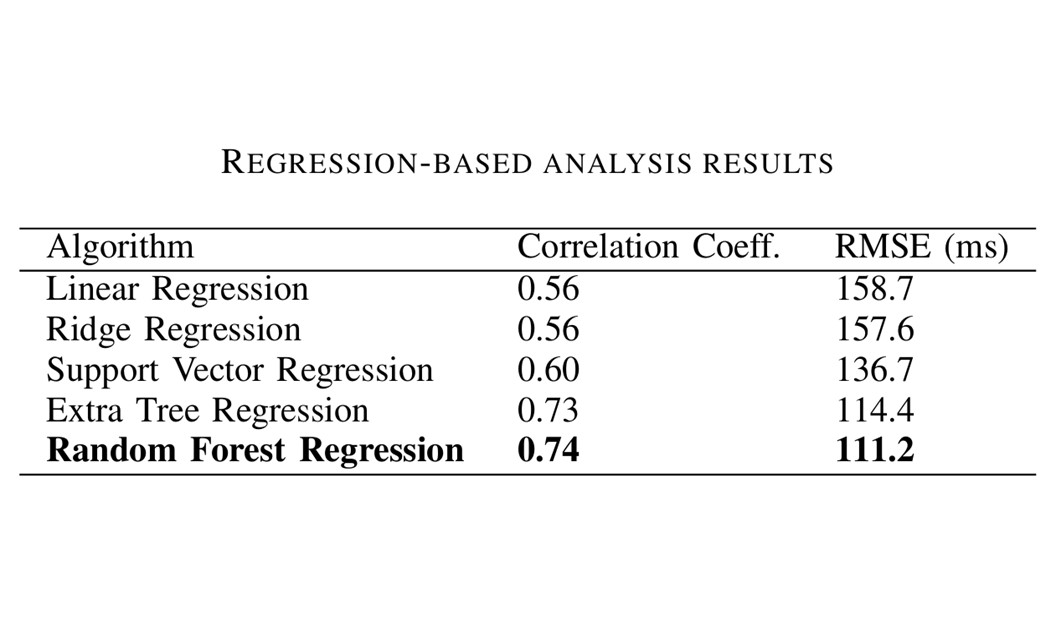
Regression Performance Comparison Among Machine Learning Models 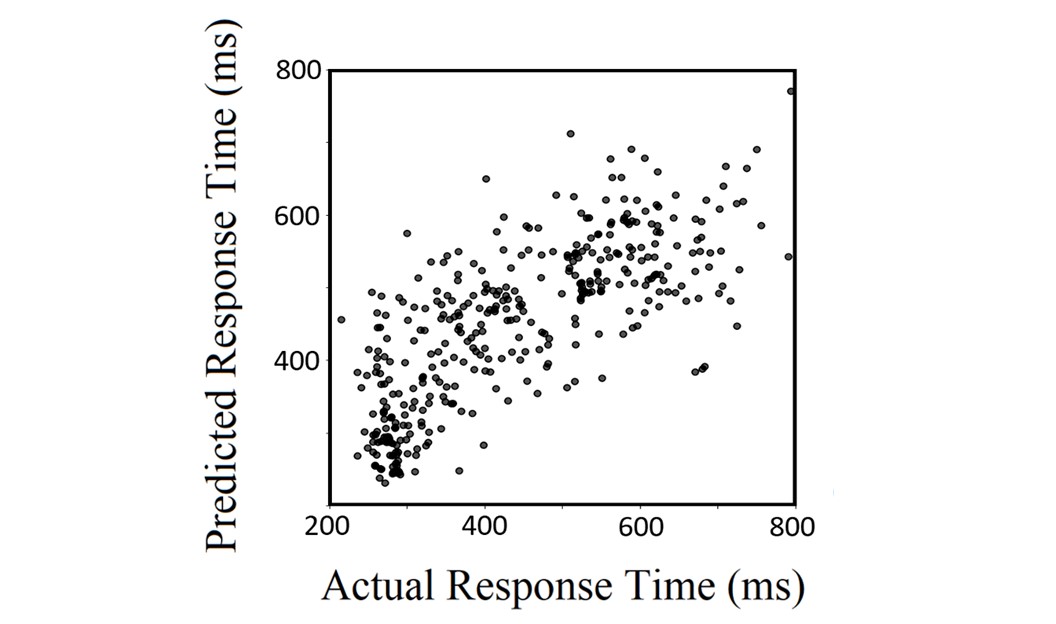
Actual Vs. Predicted Response Time for Random Forest Model 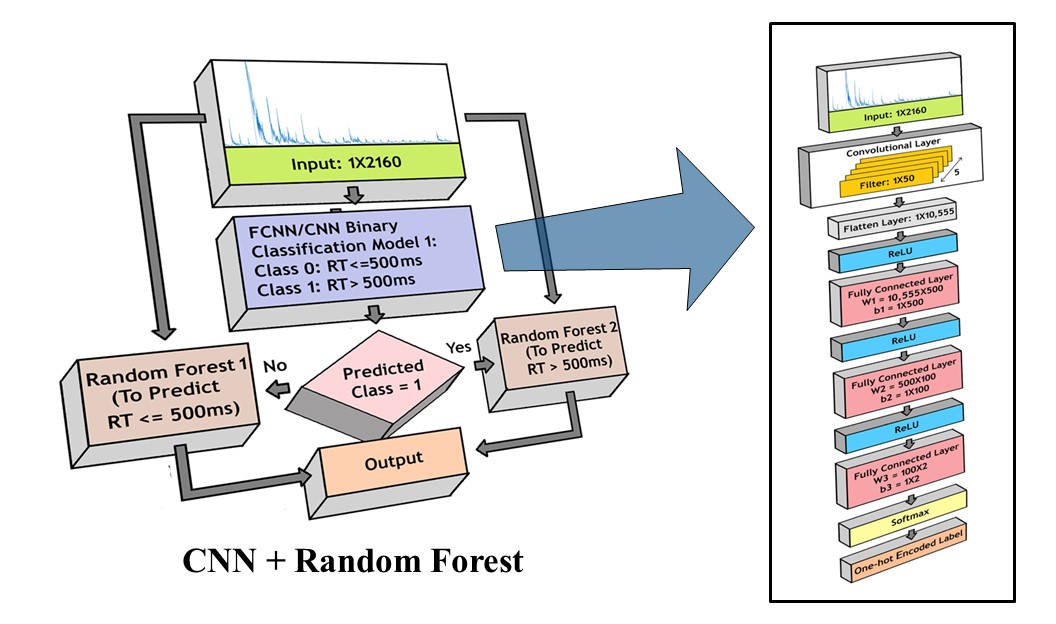
CNN + Random Forest Regression Model 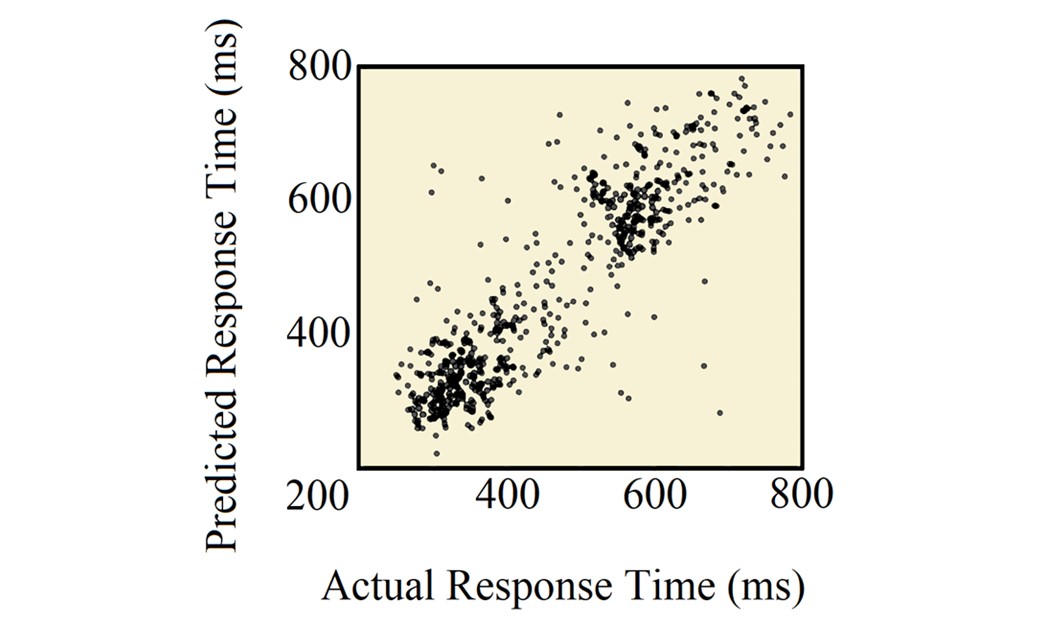
Actual Vs. Predicted Response Time 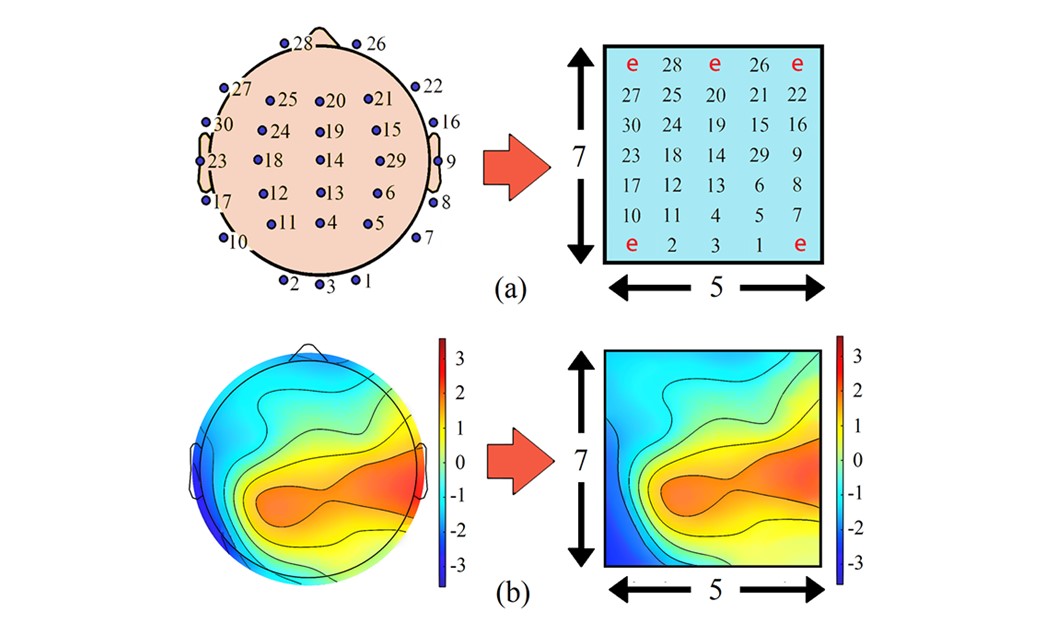
Reposition EEG Channels for 3D Input Array 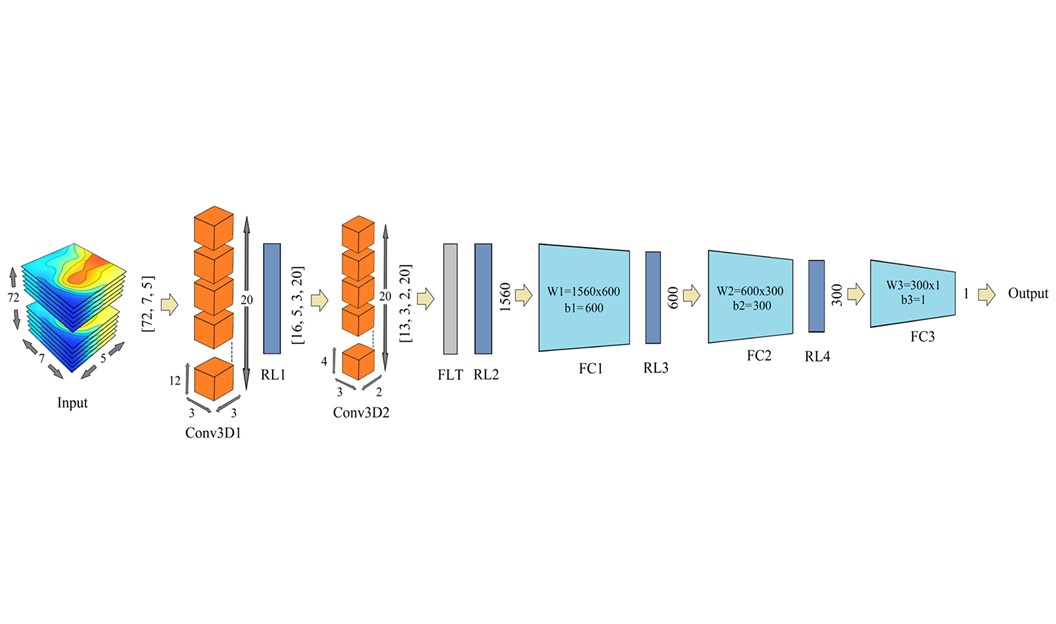
3D-CNN Model 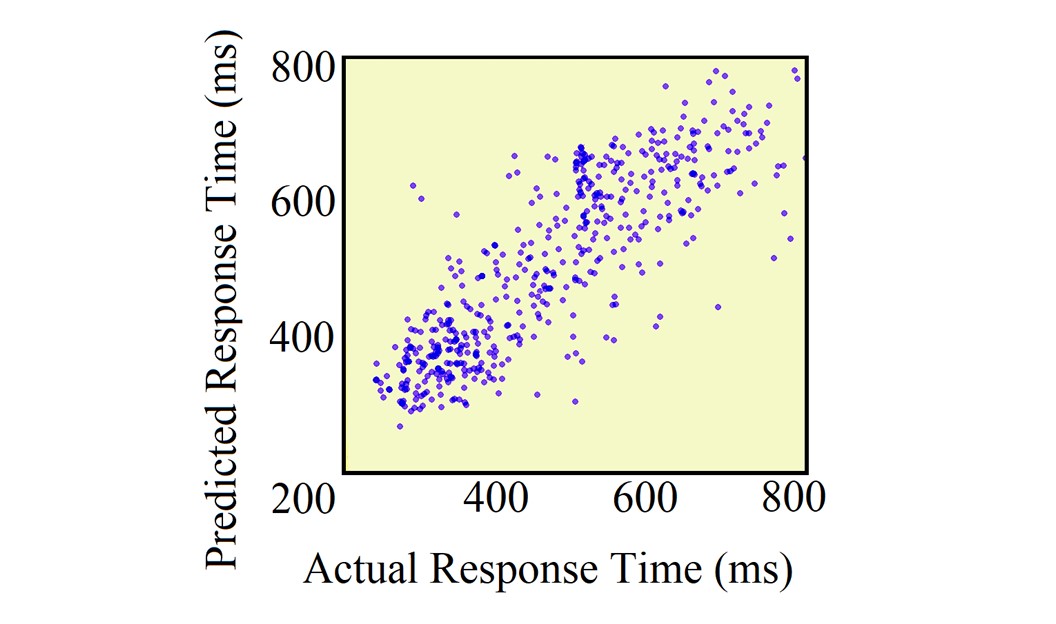
Actual Vs. Predicted Response Time -
Mini Projects
-
YOLO-Like Network Using Anchor Box for Multi-Instance Object Detection & Localization
Designed a 44-layer convolutional neural network model which incorporates anchor boxes as data labels for training and testing similar to the YOLO network and used it for multi-instance object detection & localization on the COCO dataset. -
Automatic Object Removal from Images with Semantic Segmentation & Generative Inpainting
Encoder-decoder-based segmentation model (base: Deeplab 3+) was used for object area isolation & generative inpainting with contextual attention was used for the reconstruction. 82.20% mIOU was achieved for segmentation, and 92% of the images obtained desirable reconstructions. -
Image Classification Combining Fine-Tuned Alexnet & Support Vector Machine (SVM)
Replacing the last few layers of a fine-tuned Alexnet by SVM, a classifier was constructed. 75% accuracy was obtained for the “Places” image-set (9 classes) after dataset augmentation. -
Camera-Based Android App for Automatic Noise Reduction, Edge/Sharpness Enhancement, Color & Tone Correction,
and Advanced Image Filtering
Was recognized as one of the best projects (with 98% marks) in class. -
Motion Estimation Using FAST & AGAST Detectors, FREAK Descriptor & Optical Flow
For a test video of cars on the road, 90% accurate estimation of motion was achieved for Optical Flow (Lucas-Kanade) method and 78% for FREAK descriptor. -
Text-Based Spam Email Detection & Newsgroups Classification Using Recurrent Neural Network (RNN)
97.3% & 86.9% of accuracy were achieved for spam and newsgroups, respectively.
-
YOLO-Like Network Using Anchor Box for Multi-Instance Object Detection & Localization
Publications
Journal Articles
-
[1]
Fast Hyperspectral Neutron Tomography
IEEE Transactions on Computational Imaging, 2025
PDF IEEE Xplore - [2]
- [3]
Conference Papers
-
[4]
MONSTR: Model-Oriented Neutron Strain Tomographic Reconstruction
IEEE International Conference on Image Processing (ICIP), 2025
PDF IEEE Xplore -
[5]
Autonomous Polycrystalline Material Decomposition for Hyperspectral Neutron Tomography
IEEE International Conference on Image Processing (ICIP), 2023
PDF IEEE Xplore -
[6]
An Edge Alignment-Based Orientation Selection Method for Neutron Tomography
IEEE International Conference on Acoustics, Speech, and Signal Processing (ICASSP), 2023
PDF IEEE Xplore -
[7]
Multi-Pose Fusion for Autonomous Polycrystalline Material Decomposition in Hyperspectral Neutron Tomography
Asilomar Conference on Signals, Systems, and Computers, 2024
PDF IEEE Xplore -
[8]
Fast Hyperspectral Reconstruction for Neutron Computed Tomography Using Subspace Extraction
World Conference on Neutron Radiography (WCNR), 2024
PDF Springer Nature -
[9]
Enhancing Reconstruction of Time-of-Flight Neutron Computed Tomography Using Artificial Intelligence
World Conference on Neutron Radiography (WCNR), 2024
PDF Springer Nature -
[10]
3D CNN to Estimate Reaction Time from Multi-Channel EEG
International Conference of the IEEE Engineering in Medicine and Biology Society (EMBC), 2021
PDF IEEE Xplore -
[11]
A Generalized Model to Estimate Reaction Time Corresponding to Visual Stimulus Using Single-Trial EEG
International Conference of the IEEE Engineering in Medicine and Biology Society (EMBC), 2020
PDF IEEE Xplore
Patent
-
[12]
Biometric Identification Using Electroencephalogram (EEG) Signals
U.S. Patent Application 17/402,049, 2022
PDF Google Patents